
Reception Timeline Planning Guide for a Relaxed Wedding
Our reception timeline planning guide helps you plan a polished wedding evening with time for dinner, toasts, dancing, and waterfront moments together.
The most memorable receptions do not feel scheduled. Guests move easily from a waterfront cocktail hour to dinner, find their seats before toasts begin, and reach the dance floor while the energy is still high. A thoughtful reception timeline planning guide creates that natural feeling by giving each part of the evening enough room to happen well.
For couples, the goal is not to account for every minute with military precision. It is to protect the moments that matter: unhurried photographs, a warm welcome, a meal guests can enjoy, meaningful words from loved ones, and a celebration that feels unmistakably yours. The right rhythm also gives your catering, service, entertainment, and photography teams the clarity to do their best work.
Reception Timeline Planning Guide: Build Around the Guest Experience
Start with the experience you want your guests to have, rather than working backward from a standard template. A formal evening with a plated dinner, several toasts, and a live band needs a different flow than a relaxed reception built around food stations, lawn games, and a DJ. Neither approach is better. The decision depends on your guest count, venue layout, meal style, traditions, and the atmosphere you want to create.
For many weddings, a five-hour reception provides a comfortable framework. That typically includes cocktail hour, dinner and formalities, open dancing, and a final farewell. If your ceremony and reception are in the same location, plan additional transition time so guests can refresh themselves, locate escort cards, and settle into the next setting without feeling rushed.
A waterfront venue adds another consideration: light. If sunset portraits are meaningful to you, identify the sunset time early and reserve a short window for photos. This might mean stepping away between entrée service and toasts, or during the first portion of open dancing. Your planner and photographer can help choose a time that preserves the momentum of the room while allowing you to enjoy the setting you selected.
Begin With a Well-Paced Cocktail Hour
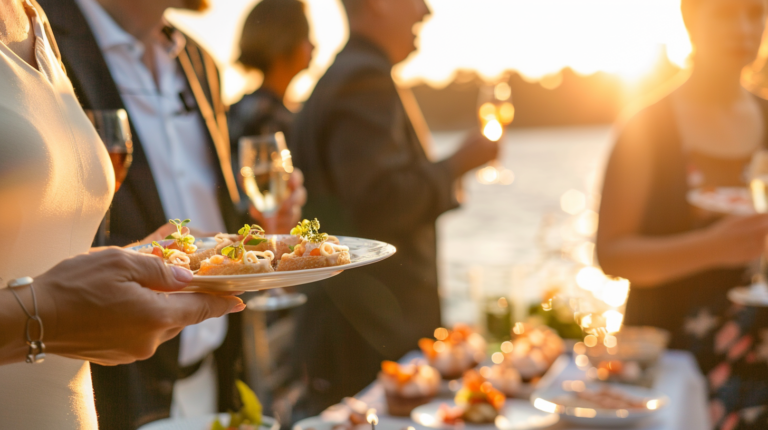
Cocktail hour is more than a holding period while the newlyweds finish photos. It is the first opportunity for guests to connect, enjoy the setting, and experience the hospitality of your celebration. Plan for 60 minutes in most cases. If travel between the ceremony and reception is involved, or if your wedding party needs more extensive portraits, 75 to 90 minutes can be appropriate.
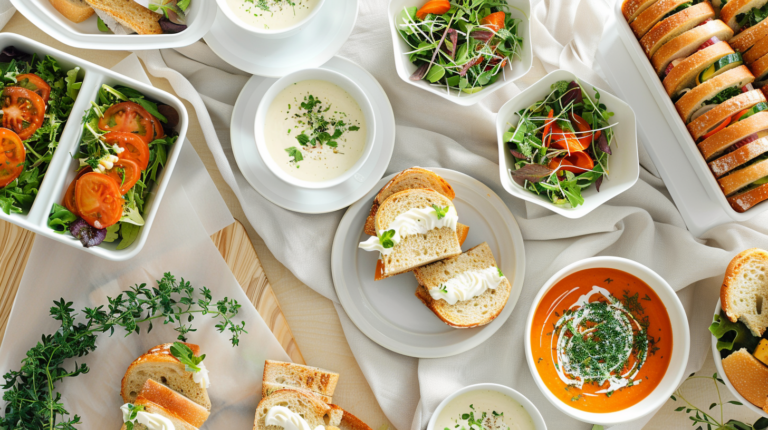
Offer enough to make the hour feel generous without turning it into a full meal. Passed appetizers, a signature cocktail, and an inviting display or station create a polished welcome. For a larger crowd, food stations can reduce lines and encourage guests to circulate. Thoughtful timing here matters: when cocktail hour runs too long without enough food or seating, guests may become restless before dinner begins.
This is also a useful time for your venue team to complete final dining-room details and for entertainment to set the tone. Background music should support conversation, not compete with it. If you plan a receiving line, consider its impact carefully. It can be meaningful for an intimate guest list, but it may consume much of cocktail hour at a larger wedding. Greeting guests table by table during dinner often feels more personal and protects the schedule.
Allow Dinner to Feel Like Dinner
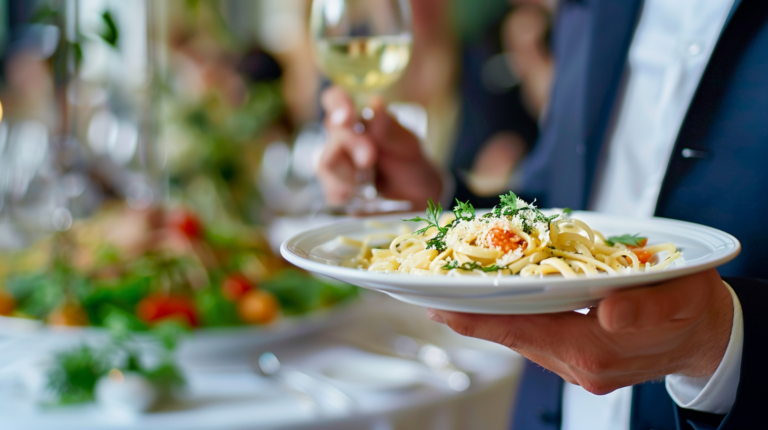
The meal is often where a reception timeline either relaxes or becomes compressed. Couples sometimes underestimate how much time guests need to be seated, receive service, enjoy conversation, and finish a multi-course meal. For a plated dinner, allow about 75 to 90 minutes from the call to dinner through entrée service. A buffet, chef-attended station, or family-style format may require a similar amount of time, although the pacing changes based on the number of serving points and tables.
Your menu and timeline should work together. A menu with a salad course, plated entrée, and dessert has a more formal rhythm than an evening centered on culinary stations and small plates. Both can be exceptional. The key is giving the service style enough time to feel intentional rather than hurried.
At Water’s Edge Events Center, in-house culinary and service teams can coordinate menu pacing with the reception flow, which helps align what is coming from the kitchen with what is happening in the room. That coordination is especially valuable when the evening includes specialty cocktails, a presentation course, late-night fare, or a transition from dinner to dancing.
Place Formalities Where Guests Can Enjoy Them
There is no single correct order for a grand entrance, first dance, parent dances, welcome remarks, toasts, cake cutting, and other traditions. Still, grouping a few related moments prevents the evening from stopping and starting too often.
A common approach is to welcome guests into the dining space, introduce the wedding party and couple, then move directly into the first dance before dinner. Some couples prefer to enter and go straight to their seats, saving the first dance for later when the dance floor can open afterward. If your reception begins in daylight and you want guests to enjoy the view, a quieter entrance may be a better fit than beginning with a high-energy production.
Toasts generally work best once guests have been served or are nearing the end of the main course. Ask speakers to keep remarks focused, ideally three to five minutes each. Two heartfelt toasts often land better than six lengthy ones. If several family members or friends want to speak, consider reserving open-mic memories for a rehearsal dinner, welcome gathering, or more intimate moment.
Cake cutting can happen before or after dinner. Doing it shortly after toasts gives your catering team a clear cue to prepare dessert. Saving it for later can draw guests back together after dancing has begun. Choose the placement that supports your preferred energy, not a rule you feel obligated to follow.
Protect the Dance Floor and Your Time With Guests
Once dinner and formalities are complete, the reception should have room to breathe. Open dancing is where many couples finally get to celebrate with the people they invited, so avoid filling this portion of the night with too many interruptions.
A popular alternative is to complete parent dances and the first dance in succession, invite guests onto the floor, and keep it open for at least 45 minutes before the next planned activity. If you want an anniversary dance, bouquet toss, cultural tradition, or late-night snack, place it with purpose. Each transition should add to the evening rather than pull guests away from a moment they are already enjoying.
Be realistic about the energy of your crowd. A guest list with many young friends may happily dance until the final song. A multigenerational daytime wedding may be better served by a shorter reception with an earlier cake cutting and a warm, well-planned send-off. A full dance floor is not the only measure of a successful celebration. Lively conversation, a beautiful meal, and guests lingering over the view can be just as meaningful.
Create a Timeline Your Team Can Actually Use
Your final reception timeline should be detailed enough for vendors but simple enough for you to understand at a glance. Your venue coordinator, caterer, photographer, videographer, DJ or bandleader, officiant, and transportation provider need the operational version. It should include vendor arrival times, setup windows, meal service, photography cues, special announcements, and event end time.
For the wedding party and immediate family, share a shorter version with the moments that involve them directly. Let them know when they need to line up for an entrance, be ready for photos, or gather for a toast. Guests do not need a printed schedule for every activity. They need clear guidance at the moments when it matters.
Build in small buffers throughout the evening. Ten extra minutes before the ceremony, between cocktail hour and dinner, or ahead of sunset photos can absorb ordinary delays without changing the guest experience. Buffers are particularly helpful when weather shifts an outdoor plan, a shuttle arrives late, or family photographs take longer than expected.
A Sample Five-Hour Reception Flow
A traditional evening reception might move from a 60-minute cocktail hour into a 15-minute entrance and first dance, followed by 75 minutes of dinner and toasts. From there, reserve 90 minutes for open dancing, cake cutting, and any planned traditions, then end with a final 20 to 30 minutes for a last dance and farewell.
Treat this as a starting point, not a prescription. If food is central to your celebration, extend dinner and shorten formalities. If dancing is the priority, keep toasts brief and open the floor sooner. If sunset falls during cocktail hour, move portraits earlier or preserve a short private photo window before dinner.
The best reception timeline leaves room for the unplanned moments: a grandparent’s extra-long hug, a favorite song that keeps everyone on the floor, or a quiet pause together at the edge of the water. Plan the structure carefully, then let the celebration have a life of its own.