
How to Choose a Private Dinner Party Venue
Choose a private dinner party venue with waterfront atmosphere, flexible spaces, chef-led menus, and attentive service for a celebration guests remember.
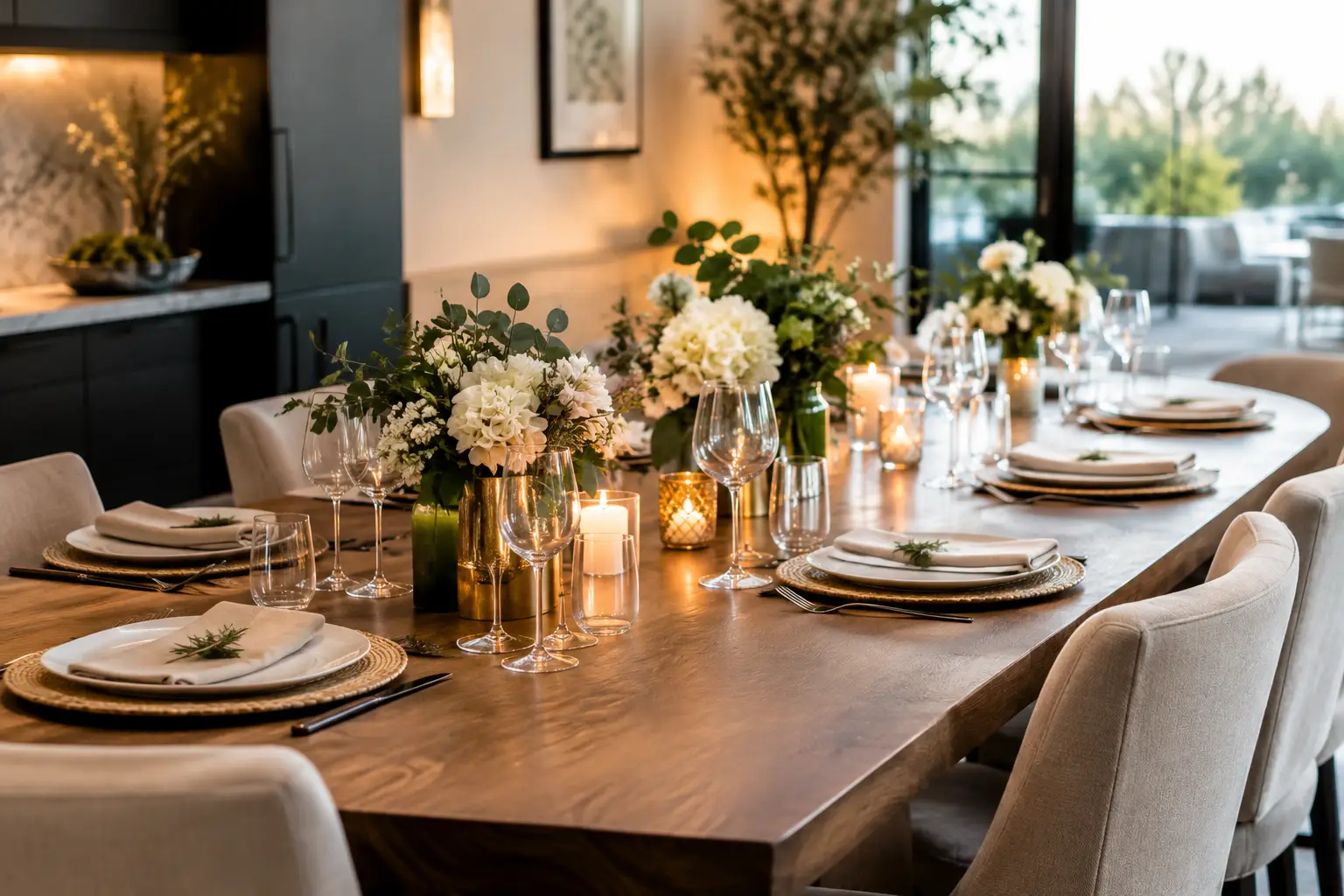
A memorable dinner begins long before the first course reaches the table. The right private dinner party venue gives hosts room to be present, guests a reason to linger, and the occasion the polished setting it deserves. Whether you are planning an anniversary, retirement dinner, milestone birthday, family celebration, client gathering, or holiday meal, your venue choice shapes everything from the menu and mood to how easily the evening unfolds.
A beautiful room matters, but it is only one part of the experience. The strongest private dinners pair an inviting setting with thoughtful service, a menu that feels considered, and a team that understands the pace of a seated celebration.
Start With the Experience You Want Guests to Have
Before comparing rooms, define the feeling you want to create. An intimate anniversary dinner may call for candlelit tables, a quieter room, and a composed plated meal. A birthday celebration with several generations may benefit from more space to mingle before dinner, a flexible menu, and an accessible layout. A corporate dinner often needs a welcome reception, a brief presentation, and a service schedule that respects the evening’s purpose.
Guest count is an essential starting point, but it should not be the only measure. A room can technically hold your group while still feeling cramped, overly formal, or too empty. Ask how the venue will arrange the tables, where guests will gather for cocktails, and whether there is room for toasts, a cake presentation, or light entertainment.
A waterfront setting can bring its own sense of occasion without requiring elaborate décor. Views of the Bush River, changing evening light, and outdoor gathering areas offer natural conversation starters and a welcome contrast to a traditional restaurant private room. For a dinner that feels special but not overproduced, the surroundings can do much of the work.
What a Private Dinner Party Venue Should Include
A private space should give your party more than separation from other diners. It should offer comfort, flexibility, and a service plan designed around your group. When discussing options, ask whether the room is exclusively yours for the event and how the venue handles arrival, cocktails, dinner service, and the closing portion of the evening.
Look closely at what is included in the event package. Tables, chairs, linens, place settings, bar service, staffing, parking, and setup can vary widely between venues. An all-in-one approach is often easier to manage because the room, food, service, and coordination are planned together. It also reduces the risk of unclear responsibilities between separate vendors.
Privacy can mean different things depending on the celebration. For some hosts, it means a fully enclosed dining room where speeches and conversation stay within the group. For others, it means a designated event space with private service and a distinct atmosphere, even if nearby areas remain active. Be clear about what privacy means to you before signing a contract.
Consider timing beyond the meal
A dinner party rarely lasts only as long as the entrée service. Guests may arrive early, catch up over cocktails, enjoy dessert and coffee, or stay for a toast after the final course. Confirm the total event window, including setup and breakdown if you are bringing centerpieces, favors, signage, or a cake.
If you are planning a daytime celebration, natural light and waterfront views may be central to the atmosphere. For an evening event, ask about lighting, exterior access, and how the space transitions after sunset. A room that feels bright and open at noon should still feel warm and intentional after dark.
Put the Menu at the Center of the Planning
At a dinner party, food is not background detail. It is often the part guests remember most clearly: the welcome cocktail, the first shared appetizer, the entrée that arrived perfectly prepared, and the dessert that extended the conversation just a little longer.
Choose a venue that treats cuisine as part of the event design rather than a fixed add-on. A chef-led catering program can help you build a menu around the season, your guests’ preferences, and the style of the evening. A plated dinner may feel refined and paced, while shared starters or food stations can encourage a more social, relaxed gathering. Neither is automatically better. The right format depends on your guest list and the tone you want to set.
Ask how dietary needs are handled. A capable culinary team should be ready to accommodate vegetarian, vegan, gluten-conscious, and allergy-related requests with care, while ensuring every guest receives a meal that feels complete. It is also worth discussing children’s meals, nonalcoholic beverage options, late additions, and any cultural or family food traditions you would like to include.
At Water’s Edge Events Center, customizable in-house catering led by Executive Chef Manny Martinez allows hosts to consider the full dining experience, from cocktail-hour bites and seasonal stations to plated entrées and desserts. That culinary continuity helps the evening feel coordinated rather than assembled from separate pieces.
Plan the Flow, Not Just the Floor Plan
The most successful private dinners have a natural rhythm. Guests should know where to go when they arrive, where to set down a coat or gift, when dinner is about to begin, and how the evening will move into dessert or remarks. Small operational choices create this ease.
A cocktail reception before dinner gives guests time to reconnect and helps prevent the seated meal from feeling rushed. It can be as simple as passed appetizers and a signature drink, or it can include a display, raw bar, or small tasting station. If your gathering includes people meeting for the first time, this social opening is especially valuable.
Once dinner begins, consider where to place the host table, whether you want assigned seating, and when any toasts should occur. Long speeches between courses can interrupt service, while a brief welcome before the first course or a toast after the entrée often feels more natural. If a presentation is part of a corporate dinner, ask about screens, microphones, speakers, and the best placement for all guests to see and hear comfortably.
Leave room for the unexpected
Good planning allows flexibility. A guest may arrive late, a relative may decide to offer an impromptu toast, or a beautiful evening may encourage everyone to step outside between courses. An experienced venue team can make adjustments without making the host feel responsible for every detail.
This is particularly important for milestone occasions. The more personal the event, the more likely there will be unscripted moments worth making space for. A thoughtful event coordinator can protect the schedule while recognizing when the evening should breathe.
Choose Service That Feels Attentive, Not Intrusive
Private dining service should be visible when guests need something and nearly invisible when they do not. The team should understand the timing of a formal meal, manage beverage service gracefully, and communicate with the host without pulling them away from their guests.
Ask who will be your point of contact on the event day and whether that person will remain available throughout the dinner. Confirm how service staff will coordinate with outside elements such as florists, photographers, musicians, or a cake delivery. These details may seem small during planning, but they determine whether you are able to enjoy the evening instead of managing it.
For hosts planning from a distance or balancing a busy schedule, coordination is often as valuable as the room itself. A venue team that can anticipate needs, provide clear timelines, and guide practical decisions creates a more relaxed planning process from the beginning.
Questions Worth Asking Before You Book
A venue tour is the right time to picture the dinner in real terms. Ask to see the exact event space, not only a sample room. Discuss your anticipated guest count and request a proposed layout. If food is a priority, talk through menu style, tasting opportunities, service pacing, and dietary accommodations.
You should also confirm the event timeline, deposit and payment schedule, minimums, cancellation terms, parking, accessibility, bar options, and any restrictions on décor, entertainment, or outside vendors. For presentations or tributes, ask about audiovisual capabilities and whether technical support is available during the event.
The answers should feel direct and organized. A venue does not need to promise that every request is possible, but it should explain options honestly and offer practical alternatives. That transparency is one of the clearest signs that your celebration will be in capable hands.
A private dinner is an opportunity to gather people who matter around a table worth remembering. Choose a setting that gives the occasion its own character, then let experienced hospitality, exceptional food, and thoughtful coordination carry the evening from the first welcome to the final farewell.


