How to Choose the Right Corporate Event Venue
Choose a corporate event venue that supports productive meetings, memorable guest experiences, custom dining, and polished execution from start to finish.
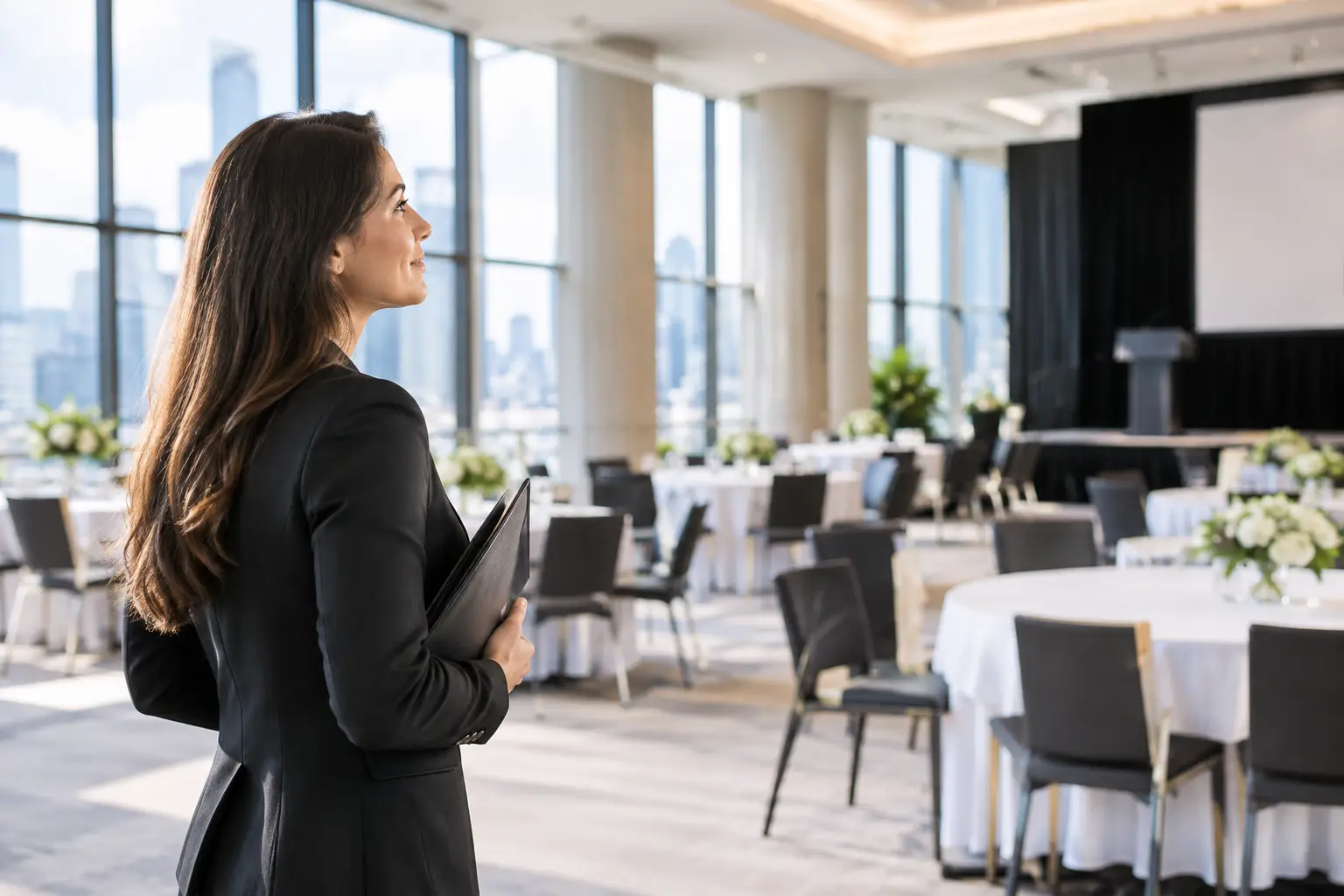
A corporate event venue does more than provide four walls, chairs, and a screen. It shapes how confidently presenters speak, how easily guests connect, how well the schedule holds, and what attendees remember after the final conversation. For a leadership meeting, nonprofit gala, client dinner, or holiday celebration, the setting is part of the message.
The right choice should make your work easier while giving guests an experience that feels intentional. That calls for more than comparing room capacities and rental rates. It means looking closely at logistics, hospitality, food, technology, and the people responsible for bringing the event together.
Start With the Purpose of the Event
Before touring spaces, define what the event needs to accomplish. A quarterly planning meeting has different priorities than an awards dinner, product presentation, employee appreciation event, or fundraising gala. When the goal is clear, decisions about format, timing, room setup, and catering become much more practical.
For instance, a strategy session may require classroom seating, reliable presentation technology, natural light, and breaks that keep the room energized. A client-facing dinner may call for a more refined atmosphere, attentive service, and a menu that gives guests something to talk about. A holiday party needs room for conversation, dining, music, and perhaps a more relaxed flow than a formal meeting.
Ask what guests should feel when they leave. Informed? Appreciated? Inspired? Connected to your organization? A venue should support that outcome, not compete with it.
Look Beyond Capacity When Comparing a Corporate Event Venue
Capacity is essential, but it is only the starting point. A room that technically holds 150 people may not be comfortable for 150 people seated for dinner, participating in a workshop, or moving between food stations. Consider how the space will function throughout the full event, not simply how many names appear on the guest list.
During a site visit, picture the guest journey. Where will attendees park and enter? Is there a natural place for registration, welcome drinks, name badges, or a coat check? Can guests move from a presentation to cocktails or dinner without confusion? If the agenda includes a reception, breakout conversations, or a dance floor, determine whether those elements fit comfortably at the same time or require a room transition.
Flexible indoor spaces are particularly valuable when an event includes multiple moments. The ability to shift from a daytime meeting to an evening reception can create a more polished experience without asking guests to relocate. It also gives planners a better contingency plan when weather affects outdoor elements.
A waterfront setting can add distinction to a business gathering, especially for client events, executive dinners, and celebrations. Scenic surroundings offer guests a change of pace from the office or hotel conference room, while still allowing the event to maintain a professional tone. The key is balance: the view should elevate the occasion, while the indoor space, service, and schedule remain fully dependable.
Ask About Layouts, Timing, and Access
A venue team should be able to discuss room configurations in detail. Ask which layouts work well for board-style discussions, theater presentations, training sessions, cocktail receptions, plated dinners, and food stations. If your event has a tight agenda, ask how much time is needed for setup, vendor arrival, room resets, and breakdown.
Also clarify access times. An early-morning meeting may require vendors or your internal team to arrive well before guests. A gala with decor, entertainment, and auction materials needs realistic setup time. Reliable planning begins with an honest timeline, not an assumption that everything will come together in the final hour.
Treat Food and Service as Part of the Program
Guests rarely remember every slide from a presentation, but they do remember how an event made them feel. Hospitality plays a major role in that impression, and food is often at the center of it.
A coffee service that is refreshed when guests need it, a lunch that arrives on time, and an evening menu that reflects care can reinforce the quality of your organization. On the other hand, long buffet lines, generic selections, or poorly timed service can break the momentum of an otherwise strong event.
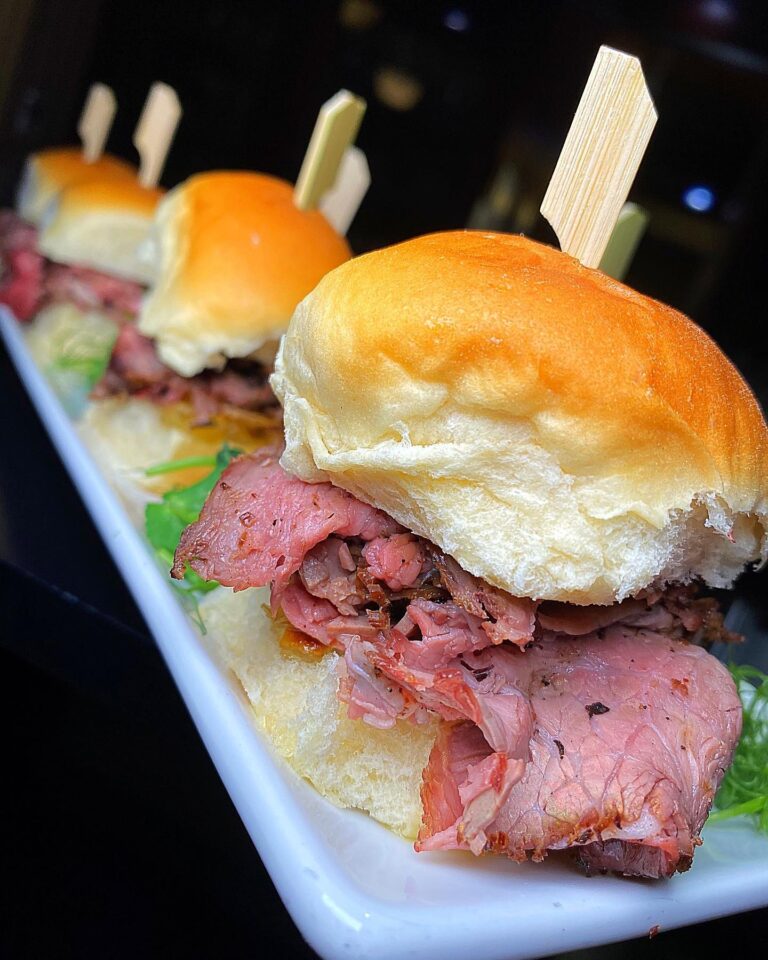
Look for a venue with in-house culinary expertise and the willingness to tailor menus to your format. A working lunch may call for composed plates or stations that allow guests to eat efficiently. A networking reception may benefit from passed appetizers and chef-attended displays that encourage guests to circulate. A formal recognition dinner needs thoughtful pacing from cocktails through dessert.
Dietary needs deserve equal attention. Ask how the culinary team handles vegetarian, vegan, gluten-sensitive, and allergy-conscious requests. The goal is not simply to offer an alternative meal, but to make every guest feel considered. Clear communication ahead of time allows the service team to deliver that care discreetly and confidently.
At Water’s Edge Events Center, menus are developed as part of the overall guest experience, with seasonal options ranging from cocktail receptions and food stations to barbecues and plated dinners. That approach is especially useful for organizations that want a single planning partner rather than separate venue, catering, and service providers.
Confirm Technology Before You Sign
For business events, audiovisual details are rarely optional. Whether you are presenting financial results, recognizing employees, hosting a panel, or streaming a message from an off-site executive, technology must work without distracting from the program.
Discuss your specific needs rather than asking only whether the venue has AV. Find out about projection or display options, screen visibility, microphones, speakers, lighting, Wi-Fi, and connections for laptops. If you are using video, ask to test audio and visuals in the actual event space. A room that looks impressive during a tour can create challenges if a screen is difficult to see in daylight or a microphone does not reach every corner.
Consider who will operate the equipment during the event. Some programs are simple enough for an internal presenter to manage. Others benefit from an experienced on-site contact who understands the system and can respond quickly if the agenda changes. For higher-stakes events, that support can be the difference between a brief adjustment and an uncomfortable interruption.
Build in a Real Rehearsal Window
Even a short rehearsal is worthwhile. Schedule time to test presentations, videos, walk-on music, microphones, lighting cues, and transitions between speakers. Confirm who has the final version of each file and bring backups in more than one format.
A strong venue partner will help identify details that are easy to miss, such as where presenters will stand, how award recipients will approach the stage, and whether guests can see the screen from every seat. These are small considerations with a noticeable effect on the room.
Evaluate the Planning Team, Not Just the Space
The most beautiful room cannot compensate for unclear communication or disorganized event support. As you compare options, pay attention to how the venue team responds during the planning process. Are they asking useful questions? Do they offer realistic solutions? Can they explain what is included and what may require an additional cost?
A full-service venue can reduce the number of moving parts for an organizer. When space, catering, service, coordination, and event logistics are handled by a connected team, there are fewer opportunities for information to get lost between vendors. That does not mean every event must follow a fixed package. The best partners provide structure while leaving room for the event to reflect your organization, priorities, and budget.
Transparency matters here. Request a clear proposal that covers room use, food and beverage, service charges, staffing, AV, setup, rentals, and timing. If there are minimums, overtime fees, or restrictions on outside vendors, understand them before making a commitment. A detailed proposal gives you a better basis for comparison than a low initial quote with major items left undefined.
Plan for Guest Comfort From Arrival to Departure
Corporate hospitality is often measured in moments that no one puts on the agenda. Guests notice whether parking feels manageable, restrooms are convenient, the temperature is comfortable, and staff members know where to direct them. Accessibility should be part of this assessment as well, including entrances, pathways, seating options, and accommodations for guests with mobility needs.
Consider the rhythm of the day. If attendees are traveling from throughout Harford County or the greater Maryland region, arrival times and traffic patterns may affect your start time. If the program extends into the evening, make sure the event has a graceful ending rather than an abrupt rush to clear the room.
A well-chosen venue gives your guests room to focus on the purpose of the gathering and gives you confidence that the details are being handled with care. When the setting, culinary experience, technology, and service all support one another, your event feels less like an obligation on the calendar and more like a meaningful occasion to gather.